


Modern homes are smarter, more energy-efficient, and more connected than ever before. Homeowners invest heavily in security cameras, smart locks, video doorbells, and automated lighting systems to improve convenience and protection. Yet despite these technological advances, some of the most important safety features remain surprisingly overlooked.
While many people focus on preventing break-ins or improving home automation, threats such as fire and smoke continue to pose significant risks. According to fire safety experts, early detection remains one of the most effective ways to reduce injuries and property damage during a home emergency. Unfortunately, many households still rely on outdated devices or fail to take advantage of modern safety technologies that can provide faster and more reliable alerts.
Early Warning Systems Are Often Undervalued
When discussing home safety, most people think about prevention. They may install surge protectors, keep fire extinguishers nearby, or develop family emergency plans. While these measures are important, they are only effective if occupants are aware that a dangerous situation is developing.
This is where early warning systems play a critical role. A properly functioning smoke detector can identify smoke particles long before flames spread throughout a home, giving residents valuable time to evacuate and contact emergency services.
Despite their importance, smoke alarms are frequently neglected. Batteries may not be replaced on time, devices may be installed in poor locations, or older models may lack the features needed to provide comprehensive coverage throughout the home.
The Evolution of Smoke Detection Technology
Traditional smoke alarms were designed to perform one simple task: sound an alarm when smoke is detected. While this basic functionality remains essential, modern safety devices now offer significantly more capabilities.
Today’s smart smoke detectors can connect to mobile applications, communicate with other devices, and provide alerts even when homeowners are away from the property. These improvements help address one of the biggest challenges in residential fire safety: delayed awareness.
Instead of relying solely on a loud siren, connected systems allow users to receive notifications directly on their smartphones, helping them respond more quickly to potential emergencies.
Why Interconnected Detection Matters
One of the most overlooked safety improvements available today is wireless interconnection.
In many homes, individual smoke alarms operate independently. If a fire begins in a basement, garage, or distant room, occupants elsewhere in the home may not immediately hear the alarm.
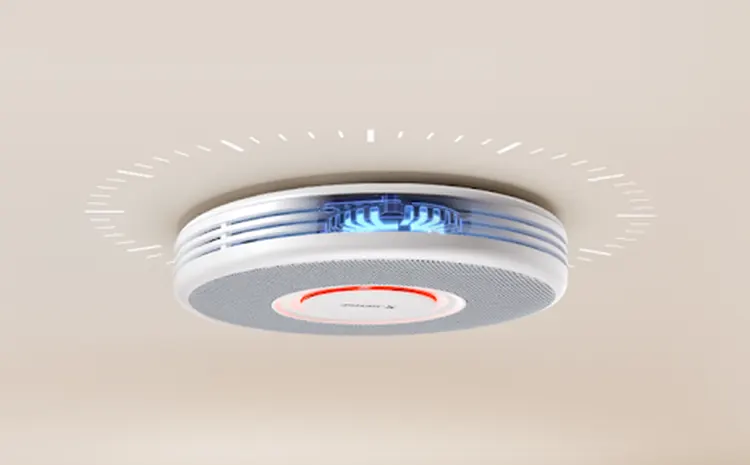
Interconnected systems solve this problem by allowing multiple detectors to communicate with one another. When one device detects smoke, all connected alarms activate simultaneously.
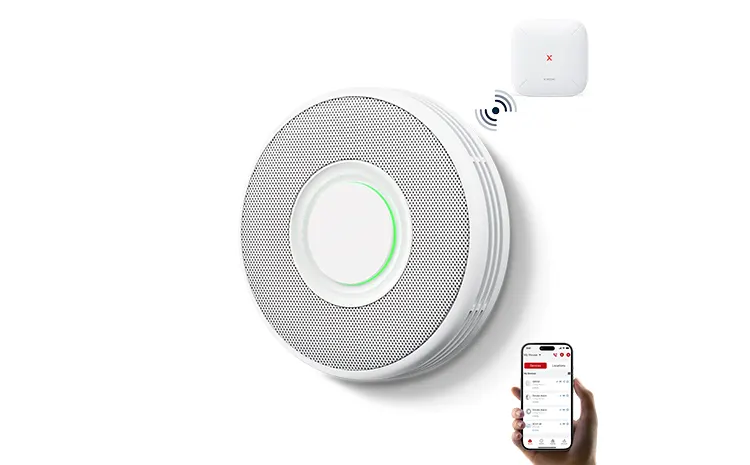
The X-SENSE XS0B-MR smart smoke detector is an example of how modern fire protection technology has evolved to address these concerns. Designed for connected homes, the detector supports wireless interconnection through a dedicated base station, helping ensure that alerts reach occupants throughout the property.
This feature can be particularly valuable in larger homes, multi-level residences, or situations where family members may be sleeping in separate areas.
Smart Connectivity Enhances Awareness
Remote awareness has become a major advantage of modern home safety devices.
The XS0B-MR supports a smart mobile application using a 2.4 GHz Wi-Fi connection, allowing homeowners to monitor device status and receive notifications directly on their smartphones. This capability can be especially useful when occupants are traveling, working, or otherwise away from home.
Rather than discovering a problem after returning home, users can receive immediate information about potential hazards and take appropriate action more quickly.
As smart home adoption continues to grow, remote monitoring is becoming an increasingly important part of comprehensive residential safety planning.
Voice Alerts Improve Emergency Communication
In emergency situations, confusion can delay response times. Traditional alarm sounds are effective at attracting attention, but they do not always provide additional context about the nature of the threat.
The XS0B-MR incorporates voice alert functionality, helping occupants better understand that a smoke-related emergency has been detected. Clear communication can improve decision-making during high-stress situations and help residents respond more effectively.
This feature may be particularly helpful for households with children, elderly residents, or individuals who may need additional guidance during an emergency.
Long-Term Reliability Is Essential
Safety devices are only effective if they continue functioning properly over time.
The XS0B-MR uses a replaceable battery design, allowing homeowners to maintain the device without replacing the entire unit when battery maintenance is required. This practical approach supports long-term reliability while helping users keep their safety systems operational.
Routine testing and maintenance remain important regardless of the technology involved, but modern designs help simplify these responsibilities and encourage consistent use.
Integration With the Smart Home Ecosystem
Many homeowners now prefer products that can work seamlessly within their existing smart home environments.
The XS0B-MR is compatible with Home Assistant, enabling users to incorporate smoke detection into broader home automation systems. This compatibility allows safety devices to become part of a centralized management platform rather than operating as isolated components.
As smart home technology continues to evolve, integration capabilities are becoming increasingly valuable for users seeking greater visibility and control over their home environments.
Building a More Complete Safety Strategy
Technology alone cannot eliminate every risk, but it can significantly improve preparedness and response.
Homeowners should combine modern detection systems with additional safety practices, including:
- Testing alarms regularly
- Keeping escape routes clear
- Practicing family evacuation plans
- Replacing aging safety devices when necessary
- Maintaining electrical and heating systems
Following manufacturer recommendations for installation and maintenance
A layered approach provides the strongest protection against unexpected emergencies.
Conclusion
Many of today’s most important home safety features operate quietly in the background, which is one reason they are often overlooked. Yet when emergencies occur, these systems can make a critical difference.
Modern solutions such as the X-SENSE XS0B-MR smart smoke detector demonstrate how fire safety technology has advanced beyond basic alarms. With features including a replaceable battery, smart app connectivity via 2.4 GHz Wi-Fi, wireless interconnected alarms through a base station, voice alerts, and Home Assistant compatibility, these systems help improve awareness and response during potential emergencies.
As homes become smarter and more connected, investing in reliable early warning systems remains one of the most effective steps homeowners can take to protect their families and property.